Dwell Care

innov community participation 2 2

Thriving Every Day: Why Self-Care Matters for NDIS Participants

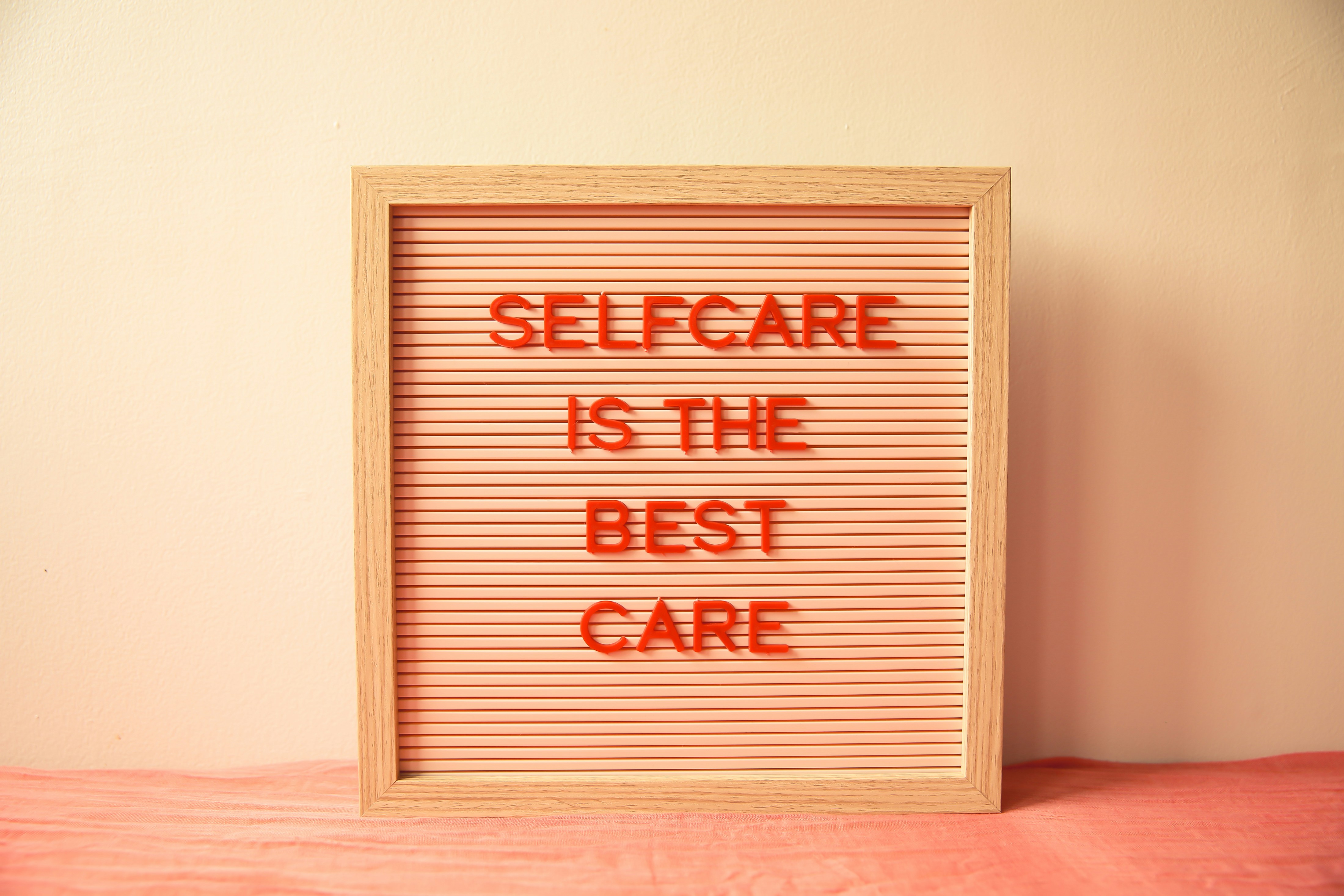
Self-care is more than a daily routine—it’s the foundation of living a balanced, fulfilling, and meaningful life. For many of us, self-care means taking time to rest, unwind, or focus on what brings us joy. But for people with disability, self-care holds an even deeper meaning. It’s about building independence, confidence, and the freedom to live life on one’s own terms. Through the National Disability Insurance Scheme (NDIS), individuals can access the right supports and opportunities to make self-care a natural part of daily living—not as a task to complete, but as a way to grow, connect, and thrive. Rediscovering the Meaning of Self-Care Self-care isn’t just about personal hygiene, grooming, or checking off daily routines. It’s about nurturing your whole self—body, mind, and spirit. It’s taking a moment to listen to what your body needs, to understand what gives you peace, and to find small ways to create balance. For some, self-care might mean waking up early to enjoy a quiet cup of tea. For others, it could be taking a walk, practicing mindfulness, or simply spending time doing something that brings joy—painting, gardening, or listening to music. It’s the practice of giving yourself permission to rest, to grow, and to prioritise your wellbeing. When self-care becomes a regular part of life, everything changes. Energy increases, mood improves, and challenges feel a little easier to face. It helps people reconnect with who they are beyond their limitations or daily challenges. And that’s something truly powerful. The Ripple Effect of Caring for Yourself Every small act of self-care has a ripple effect. It doesn’t just affect the individual—it influences how they engage with family, friends, and their community. When someone takes care of themselves—emotionally, physically, and mentally—they begin to show up in life with renewed strength. They find confidence in making decisions, taking part in conversations, and exploring new experiences. That confidence creates independence, and independence builds empowerment. The benefits of self-care extend far beyond feeling good. They include: Independence: Learning to manage daily routines—whether it’s preparing meals, dressing, or planning the day—builds self-reliance and reduces dependence on others. Physical and Mental Wellbeing: Engaging in regular self-care lowers stress, improves focus, boosts energy levels, and contributes to overall health. Connection and Belonging: When people feel good about themselves, they are more open to social engagement—joining community groups, spending time with friends, and building meaningful relationships. Empowerment: Taking charge of personal care decisions fosters a sense of control, pride, and confidence. It turns self-doubt into self-belief. Every individual’s self-care journey is unique. What matters most is consistency and finding what truly nurtures you. Building Confidence Through Small Steps Self-care doesn’t need to be complicated or time-consuming. It’s the small, everyday choices that create lasting change. It might start with setting a simple goal—like brushing teeth independently, organizing personal items, or preparing breakfast each morning. These may sound like small achievements, but for many participants, these are milestones worth celebrating. Each time someone takes a step towards independence, they gain a little more confidence. That confidence leads to new possibilities—trying a new activity, joining a group, or exploring a new hobby. And before long, what once seemed difficult becomes a natural part of daily life. It’s about progress, not perfection. And with the right encouragement and support, every step forward counts. How the NDIS Supports Self-Care The NDIS plays a crucial role in helping participants develop and maintain self-care routines that suit their individual goals and abilities. Through tailored supports, participants can learn new skills, create structure, and build independence at their own pace. Supports might include: Daily living skills: Learning to cook, maintain personal hygiene, manage medications, or take care of the home environment. Physical wellbeing: Accessing exercise programs, physiotherapy, or recreational activities that encourage movement and strength. Mental wellbeing: Engaging in counselling, mindfulness practices, or creative therapies to build emotional resilience. Social participation: Joining community groups, attending workshops, or participating in hobbies that promote interaction and connection. The beauty of NDIS supports is flexibility—they are designed to meet each participant where they are and help them move towards their personal vision of independence. The goal is not to rush progress, but to make each step meaningful and sustainable. Liam’s Journey: Finding Confidence in the Everyday Liam’s story beautifully captures what self-care can achieve. For years, Liam relied heavily on others for his morning routine. Getting ready for the day felt overwhelming. From remembering his medication to preparing breakfast and organizing his clothes—everything seemed like a challenge. He wanted to be more independent but didn’t know where to start. With the guidance of his NDIS support worker, Liam began to set small, achievable goals. They started with something simple—making his bed every morning. It wasn’t easy at first, but each day he improved. Then came preparing a simple breakfast and organizing his medications. Over time, Liam built a structured routine that gave him a sense of control. His mornings, once filled with frustration, became a source of pride. The joy of making his own toast or remembering his daily checklist gave him confidence that spilled into other areas of life. Soon, Liam began taking short walks in the park, joined a local art group, and even started volunteering at a nearby community center. The progress wasn’t just about routines—it was about rediscovering his sense of self. Liam’s story reminds us that self-care is not about perfection—it’s about persistence. Each small success becomes the foundation for greater independence. The Deeper Meaning of Self-Care At its heart, self-care is about respect—respect for one’s body, mind, and individuality. It’s about recognising that everyone deserves time and space to focus on their own needs without guilt or hesitation. For people with disability, self-care can sometimes be misunderstood or overlooked. But when given the right attention and support, it becomes a bridge to empowerment. It helps individuals not just survive the day—but truly live it. When participants start to believe that they are capable of managing their own lives, something changes. The spark of confidence

Thriving Every Day: Why Self-Care Matters for NDIS Participants Read More »

Empowering Lives: Building Independence Through the NDIS

Empowering Lives: Building Independence Through the NDIS

Beyond Services: Building Independence and Confidence Through the NDIS IntroductionThe National Disability Insurance Scheme (NDIS) represents more than financial support—it’s a gateway to a life shaped by choice, opportunity, and empowerment. For thousands of Australians living with disability, the NDIS provides the structure, resources, and guidance needed to live with greater independence and confidence. At its heart, the NDIS is about people—about recognising potential, nurturing skills, and removing barriers that once limited opportunity. With the right supports in place, participants are not only meeting daily needs but redefining what’s possible in their lives. At Dwell Care, we see this transformation every day. Participants who once struggled to complete small tasks are now managing their routines, exploring new hobbies, building friendships, and even pursuing careers. These successes—both big and small—reflect the true power of the NDIS: helping people live life on their own terms. Breaking Barriers, Creating OpportunitiesDisability support today is about more than care—it’s about empowerment. It’s about breaking down barriers that prevent full participation in society. For many, those barriers might be physical, such as mobility challenges or accessibility issues. For others, they may be social or emotional, such as isolation or a lack of confidence. The NDIS focuses on building pathways that make inclusion possible. This can mean learning to navigate public transport independently, joining a local club, taking part in a community art class, or developing job-ready skills. Each of these experiences strengthens confidence and fosters a sense of belonging. Through structured supports, participants gain not just assistance but opportunity. Every new skill learned, every goal achieved, and every connection made contributes to a stronger sense of self. This approach helps turn what once seemed impossible into achievable steps toward a fulfilling life. When participants are empowered to take control of their choices, they discover new ways to express themselves and engage with the world. That’s what true opportunity looks like—freedom built on support and trust. Why Independence MattersIndependence is not a one-size-fits-all concept. For some, it may be learning to cook a simple meal, manage money, or organise daily tasks. For others, it might mean building the confidence to travel, find employment, or live on their own. Regardless of what it looks like, independence brings a sense of pride and dignity. It encourages responsibility, boosts mental wellbeing, and reinforces the idea that everyone deserves control over their life. The NDIS plays a vital role in making this possible by offering tailored supports that reflect each participant’s unique strengths, aspirations, and challenges. Participants work with providers like Dwell Care to identify areas of growth—whether that’s self-care, communication, social participation, or job readiness—and receive personalised assistance to develop those skills over time. Through this process, independence becomes more than a goal; it becomes a mindset. Participants learn to see challenges not as limitations but as opportunities for growth. This shift in perspective often leads to lasting changes in confidence and self-belief. For instance, a participant who once needed help with daily routines might, after consistent support, manage those tasks independently. Another might progress from attending community workshops to volunteering or working part-time. Each step forward reflects the powerful connection between independence and confidence—one reinforcing the other. Our Approach to SupportAt Dwell Care, we believe support should be empowering, not limiting. Our approach focuses on enabling participants to take charge of their own lives through person-centred care, skill development, and meaningful community engagement. We recognise that every individual’s journey is different, which is why we build our services around understanding personal goals and preferences. Whether someone wants to improve self-care, strengthen communication, or explore new opportunities, we provide the guidance and resources needed to succeed. Our philosophy is built on four key pillars: Person-centred care: Your goals are at the heart of everything we do. We listen carefully, tailor supports to your needs, and celebrate progress—no matter how small. Respect and dignity: Every interaction is guided by compassion and understanding. We value each person’s individuality and ensure their voice is heard and respected. Skill-building: Independence comes from learning and growth. We provide practical training and daily support that helps participants develop life skills, problem-solving abilities, and confidence. Community connection: True wellbeing comes from belonging. We encourage social participation, helping participants connect with local groups, activities, and networks that bring joy and purpose. These principles guide every part of our work. From helping someone establish a morning routine to supporting their dream of employment, we’re committed to making sure each participant feels capable, valued, and supported. Building Skills for Everyday LifeSkill development is one of the most transformative aspects of NDIS support. Many participants begin their journey with specific goals—like learning to plan meals, manage budgets, or travel independently. With the right guidance and consistent practice, these goals become milestones that build lasting self-confidence. Our team focuses on hands-on learning. Participants are encouraged to practice real-life tasks in safe, supportive environments. Over time, they gain confidence to handle situations independently—from grocery shopping and using public transport to managing time and communicating effectively. These skills extend beyond daily living. They help participants take control of their broader life journey, making informed decisions, pursuing education or work, and engaging meaningfully in their communities. As independence grows, so does self-esteem—and with that, a deeper sense of empowerment. Empowerment Through ConfidenceConfidence is the bridge between support and independence. It’s what allows participants to turn what they’ve learned into daily practice. Building confidence doesn’t happen overnight—it’s a gradual process of encouragement, trust, and achievement. Support workers play a vital role in this journey. By providing reassurance, celebrating successes, and helping participants problem-solve challenges, they nurture resilience and self-belief. The result is a stronger sense of autonomy and purpose. Confidence also inspires participants to set bigger goals. A person who once doubted their ability to manage simple tasks may go on to join community activities, learn a new hobby, or take on volunteering. Each success reinforces the idea that they are capable, deserving, and in control of their own path. Community and ConnectionLiving independently doesn’t

Empowering Lives: Building Independence Through the NDIS Read More »

The Importance of Self-Care for Thriving with Disability

The Importance of Self-Care for Thriving with Disability

Introduction Self-care is more than just a routine—it’s a cornerstone of living a balanced, healthy, and fulfilling life. It’s the practice of taking time to nurture your physical, emotional, and mental wellbeing, helping you stay grounded and confident in everyday life. For people with disability, self-care holds even greater significance. It’s not just about managing daily tasks; it’s about building independence, strengthening self-worth, and participating more fully in the community. The National Disability Insurance Scheme (NDIS) recognises the vital role of self-care in overall wellbeing. It provides supports that enable participants to learn, develop, and maintain essential self-care skills tailored to individual goals and abilities. Whether it’s assistance with daily routines, guidance in developing healthy habits, or encouragement to pursue hobbies and social connections, the NDIS empowers participants to lead more independent and meaningful lives. What Self-Care Really Means Self-care is often misunderstood as something superficial—like a spa day or an occasional break. In reality, it’s much broader and more impactful. It’s about consciously nurturing your body, mind, and spirit to maintain a sense of balance and wellbeing. For NDIS participants, self-care can look different depending on individual needs and goals. It may involve learning to manage personal hygiene independently, planning nutritious meals, scheduling rest and relaxation, or engaging in activities that bring joy and connection. Physical self-care includes maintaining hygiene, eating well, exercising regularly, and ensuring adequate rest. It supports strength, mobility, and overall physical health, helping participants feel more energised and capable. Emotional self-care involves recognising feelings, managing stress, and maintaining positive relationships. Activities like journaling, talking to a support worker or counsellor, or practising mindfulness help create emotional balance. Social self-care means building and maintaining supportive relationships. Participating in community events, joining a club, or even chatting with neighbours can help reduce loneliness and build confidence. Spiritual self-care, while personal, is equally important. It may involve spending time in nature, meditation, prayer, or creative activities that bring a sense of peace and meaning. Ultimately, self-care is about understanding what makes you feel good, safe, and capable—and taking consistent steps to nurture those feelings every day. The Benefits of Self-Care When self-care becomes a regular part of life, the results go far beyond daily comfort. It builds a stronger foundation for independence, confidence, and overall wellbeing. 1. IndependenceDeveloping daily living skills—like cooking, dressing, or managing time—helps participants rely less on others. This growing independence builds self-esteem and encourages personal responsibility, fostering pride in everyday achievements. 2. Physical and Mental HealthRegular self-care habits reduce stress, improve mood, and support physical health. A balanced diet, proper rest, and routine exercise all contribute to higher energy levels and better focus. When participants feel physically well, they’re better equipped to handle challenges and pursue goals. 3. Social ConnectionsTaking care of oneself also enhances the ability to connect with others. When participants feel confident and well, they’re more likely to engage socially, participate in group activities, and form meaningful relationships. These connections play a key role in reducing isolation and improving emotional wellbeing. 4. EmpowermentPerhaps the most powerful benefit of self-care is empowerment. Making decisions about one’s own care—whether it’s choosing what to eat, how to spend the day, or when to rest—creates a strong sense of control and self-belief. Over time, this empowerment leads to greater motivation and a more positive outlook on life. Supporting Self-Care Through the NDIS The NDIS offers various supports designed to help participants build and maintain self-care skills. These supports are tailored to individual goals and abilities, ensuring that every participant receives the assistance they need to thrive. Skill Development for Daily LivingSupport workers can guide participants in learning everyday tasks such as cooking, cleaning, managing finances, and maintaining hygiene. These practical skills form the foundation of independence and can significantly improve confidence in daily routines. Encouraging Physical ActivityThe NDIS also funds support for exercise and physical wellbeing. This can include personal training, physiotherapy, or participation in local sports and fitness programs. Regular activity not only improves physical health but also boosts mood and mental clarity. Building Mental WellbeingMental health is a crucial part of self-care. Participants can access therapeutic supports like counselling, psychology sessions, or mindfulness programs. These help build resilience, reduce anxiety, and promote emotional balance. Promoting Community ParticipationEngaging with the community is another essential element of self-care. Through the NDIS, participants can receive support to attend events, join social groups, or pursue hobbies and creative interests. These experiences create opportunities for social connection and personal growth. Creating Structured RoutinesFor many people, a structured daily routine provides a sense of stability and control. NDIS support workers often help participants develop consistent schedules that include time for self-care, work or study, rest, and leisure. This structure promotes balance and reduces stress, allowing participants to get the most out of each day. Making Self-Care a Daily Habit Building a self-care routine doesn’t happen overnight—it takes time, patience, and consistency. Here are some practical ways participants can make self-care part of daily life: Start small: Focus on one habit at a time, such as getting enough sleep or eating breakfast regularly. Set achievable goals: Break bigger goals into smaller, manageable steps to build confidence with each success. Celebrate progress: Recognise small wins, like completing a task independently or sticking to a schedule for a week. Seek support: Don’t hesitate to ask for help from support workers, family, or friends when needed. Listen to your body and mind: Pay attention to how you feel. Rest when needed and find activities that bring joy and relaxation. Stay consistent: Regular practice makes self-care a natural part of life. Over time, it becomes a habit that supports overall wellbeing. A Story of Self-Care Success Meet Liam. Liam wanted to manage his morning routine independently. With guidance and structured support, he learned to prepare breakfast, organise his medications, and get ready for the day on his own. This small achievement boosted his confidence, helped him engage more actively in the community, and strengthened his independence. Liam’s story highlights an important truth: self-care

The Importance of Self-Care for Thriving with Disability Read More »

service 1

Everyday Heroes: How Small Wins Create Big Changes in the Lives of NDIS Participants

How Small Wins Create Big Changes in the Lives of NDIS Participants   Introduction Progress doesn’t always come from giant leaps—it often starts with the small, steady steps we take every day. For people living with disability, these small steps can be truly life-changing. Under the National Disability Insurance Scheme (NDIS), every achievement—big or small—becomes a stepping stone towards greater independence, confidence, and participation in the community. At Dwell Care, we see these everyday wins as the foundation of brighter futures. Whether it’s learning a new skill, attending a community event, or simply gaining confidence in daily routines, we believe every milestone deserves celebration. Why Small Wins Matter It’s easy to focus on big milestones like finding employment, living independently, or achieving a long-term personal goal. But these don’t happen overnight—they are built on countless smaller victories. Examples include: Cooking a meal for the first time – developing life skills and building independence at home. Catching public transport – opening up access to education, work, and community participation. Speaking up in a group – growing communication and social confidence. These achievements may seem small, but they create momentum. They boost self-esteem, inspire motivation, and lay the groundwork for bigger goals. In disability support, these everyday steps are often the most powerful drivers of long-term success. Celebrating Everyday Heroes Every NDIS participant is a hero in their own journey. Their willingness to try, to grow, and to step outside their comfort zone is nothing short of inspiring. What looks like a simple step to one person—such as attending a community class—may represent a huge leap forward for someone living with disability. That courage deserves recognition. By celebrating these wins, we remind participants that progress is not just about reaching the destination but about valuing each step along the way. This recognition builds resilience, confidence, and self-belief. How Dwell Care Supports Participants As a trusted NDIS provider in Australia, Dwell Care is dedicated to supporting participants at every stage of their journey. Our disability support services are designed to empower individuals to celebrate small wins while working toward bigger goals. We do this by: Encouraging growth at every step – No achievement is too small. We celebrate progress and help participants see their own strengths. Creating safe spaces to learn and grow – Whether it’s practicing daily skills at home or engaging in the wider community, we provide the right environment to build confidence. Building consistency and confidence – Through repetition and structured support, participants transform small actions into lasting abilities. Recognising and celebrating success – Acknowledgment fuels motivation, and motivation fuels progress. We make sure participants feel proud of every step forward. From Small Wins to Big Futures Small wins add up to powerful, life-changing outcomes. Over time, they shape skills, independence, and resilience. These victories pave the way for participants to achieve their bigger dreams—whether that’s securing employment, living more independently, or connecting meaningfully with their community. At Dwell Care, we believe that disability support is about more than services—it’s about empowerment. By celebrating small wins, we help participants build confidence, take control of their journey, and create a future filled with opportunity. Closing Thought Everyday progress matters. Every participant has a story worth celebrating. And every step—no matter how small—brings them closer to living the life they choose. At Dwell Care, we’re proud to walk alongside NDIS participants as they achieve these wins and transform them into brighter futures. Because true change doesn’t just come from the destination—it comes from every step along the journey.

Everyday Heroes: How Small Wins Create Big Changes in the Lives of NDIS Participants Read More »

aboriginal flag 2

We acknowledge the Traditional Custodians of the lands and waters and we pay our respects to them, their culture, their elders past present, and future and extend our respect to all Aboriginal and Torres Strait Islander and First Nations Peoples.

Contact

© Dwell Care. | All rights reserved.